

What to Expect During a Cardiac PET Exam
- Electrode Placement: Small electrodes will be placed on your chest to monitor your heart’s electrical activity.
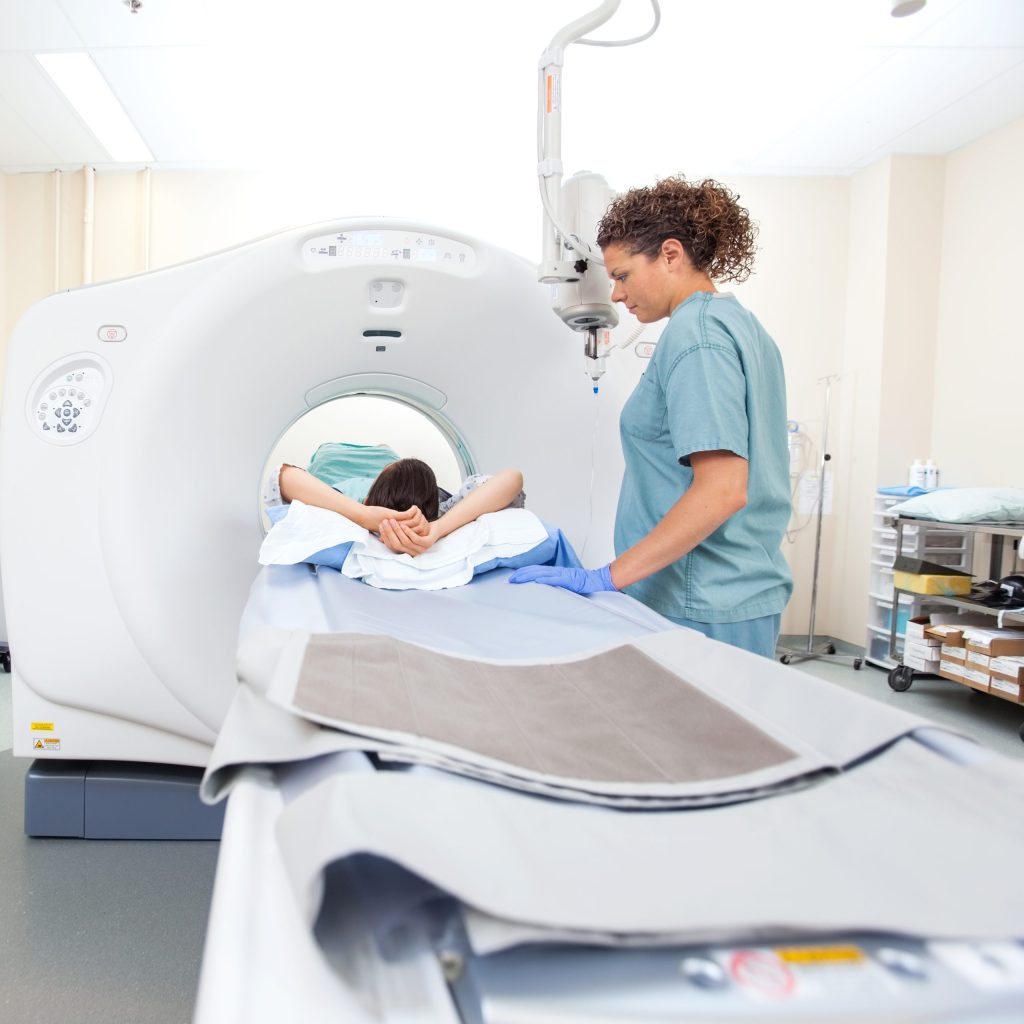
- Specialized Table: You’ll comfortably lie on a specialized scanning table designed for this purpose.
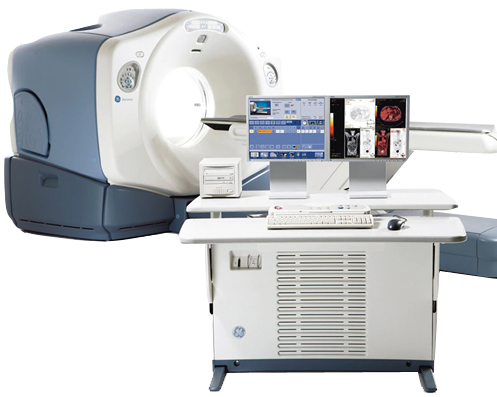
- Radiopharmaceutical Introduction: Through an IV line, a radiopharmaceutical will be introduced. This substance is the key to our advanced PET camera capturing highly detailed images of your heart.
- Dual Imaging: The PET camera performs imaging during both a resting phase and a stress phase. This dual approach provides invaluable data for assessing blood flow in your heart and detecting any prior damage to the heart muscle.
Most cardiac PET exams are efficiently completed in less than an hour, ensuring minimal disruption to your daily schedule. In cases where a bit more time is needed for a thorough assessment, rest assured, we focus on delivering the most accurate evaluation of your heart’s health.
The Stress Phase
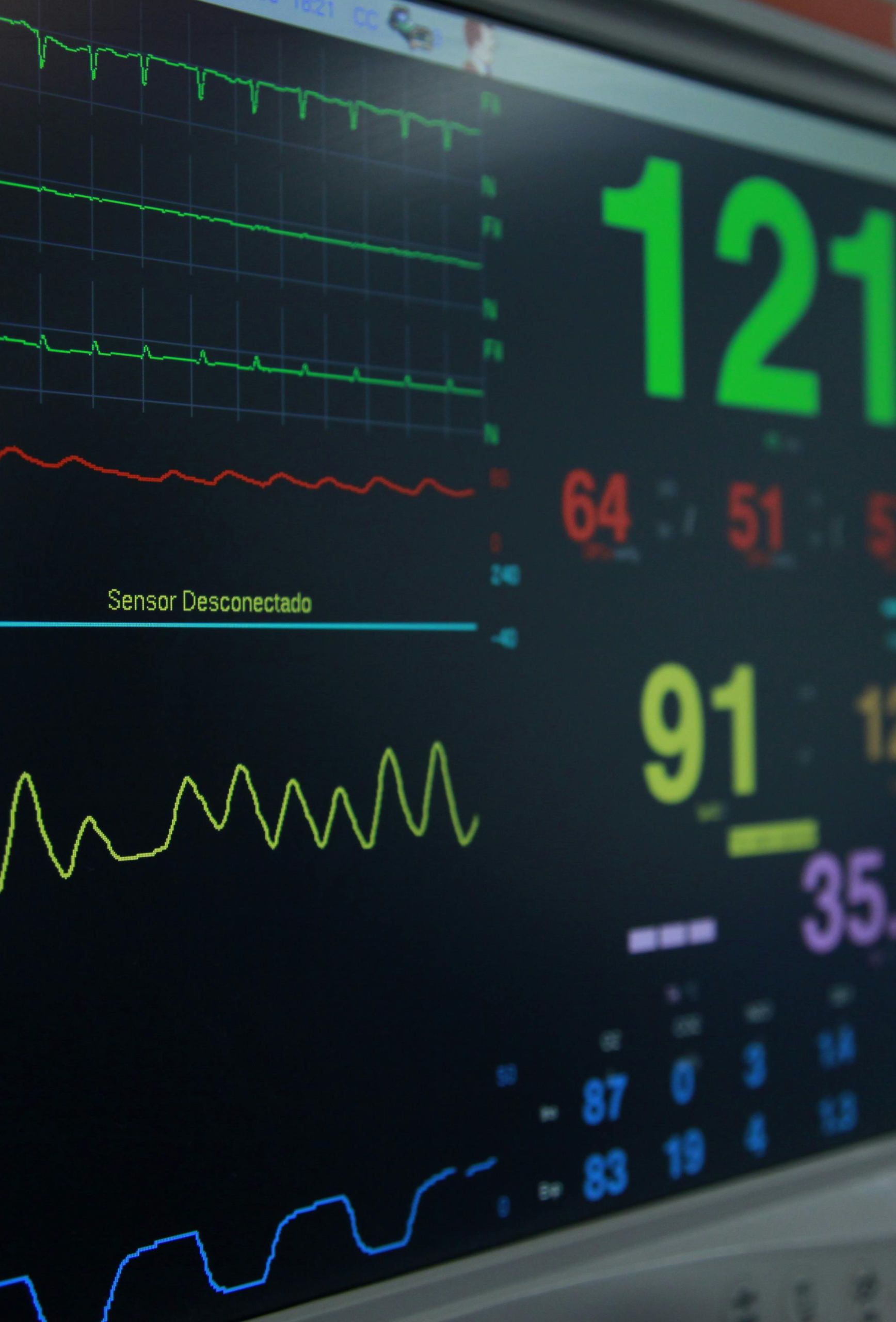
The stress phase of the PET exam simulates the effect of physical exercise on your heart. It’s typically induced using medication administered intravenously. An electrocardiogram (EKG) continuously monitors your heart throughout this phase.
If you experience any discomfort or unusual sensations, such as chest pain, shortness of breath, palpitations, headache, dizziness, lightheadedness, or flushing, please notify our healthcare professionals immediately.


Preparing for a
Successful PET Exam
- Attire: Dress comfortably and leave your jewelry at home.
- Medication List: Bring a comprehensive list of your current medications.
- Inhaler: If you use one, remember to bring it.
- Fasting: You should refrain from eating or drinking anything (except water) for 4-6 hours before your test.
- Avoid Stimulants: Steer clear of chocolate, caffeine, or decaffeinated products for at least 24 hours before the exam. Caffeine can affect the accuracy of the test.
- Consult Your Physician: Always consult your doctor before discontinuing any medications.
What to Expect During a Cardiac PET Exam
- Electrode Placement: Small electrodes will be placed on your chest to monitor your heart’s electrical activity.
- Specialized Table: You’ll comfortably lie on a specialized scanning table designed for this purpose.
- Radiopharmaceutical Introduction: Through an IV line, a radiopharmaceutical will be introduced. This substance is the key to our advanced PET camera capturing highly detailed images of your heart.
- Dual Imaging: The PET camera performs imaging during both a resting phase and a stress phase. This dual approach provides invaluable data for assessing blood flow in your heart and detecting any prior damage to the heart muscle.
Most cardiac PET exams are efficiently completed in less than an hour, ensuring minimal disruption to your daily schedule. In cases where a bit more time is needed for a thorough assessment, rest assured, we focus on delivering the most accurate evaluation of your heart’s health.
The Stress Phase
The stress phase of the PET exam simulates the effect of physical exercise on your heart. It’s typically induced using medication administered intravenously. An electrocardiogram (EKG) continuously monitors your heart throughout this phase.
If you experience any discomfort or unusual sensations, such as chest pain, shortness of breath, palpitations, headache, dizziness, lightheadedness, or flushing, please notify our healthcare professionals immediately.
Preparing for a Successful PET Exam
- Attire: Dress comfortably and leave your jewelry at home.
- Medication List: Bring a comprehensive list of your current medications.
- Inhaler: If you use one, remember to bring it.
- Fasting: You should refrain from eating or drinking anything (except water) for 4-6 hours before your test.
- Avoid Stimulants: Steer clear of chocolate, caffeine, or decaffeinated products for at least 24 hours before the exam. Caffeine can affect the accuracy of the test.
- Consult Your Physician: Always consult your doctor before discontinuing any medications.